Construction Sites Cleared Before Foundations Go In
Site Preparation in Austin for raw land requiring clearing, grading assessment, and utility-safe staging before builders arrive
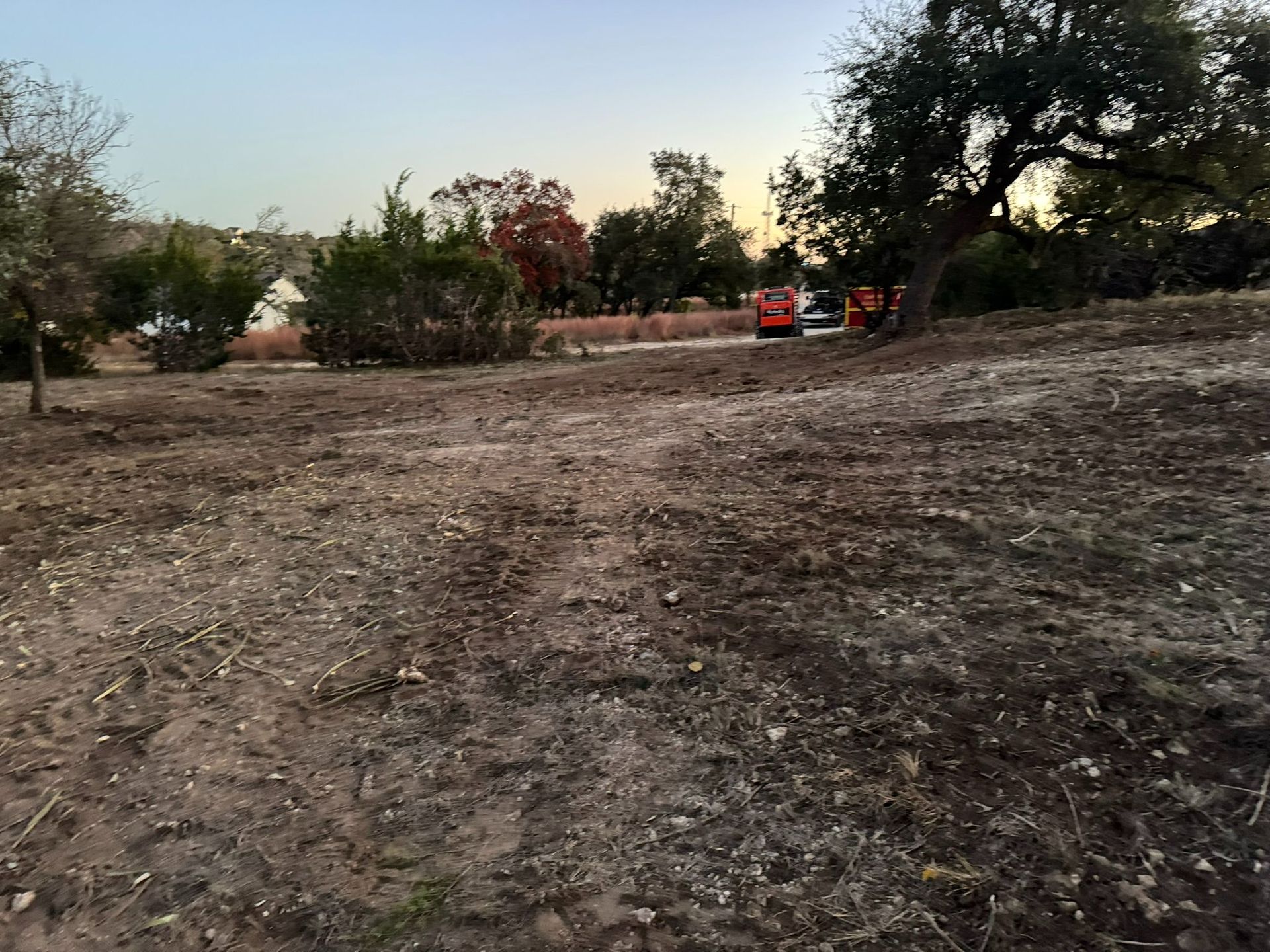
New construction in Bastrop's expanding development zone requires land preparation that accounts for utility lines, drainage patterns, and material staging areas before foundation work begins. Cut It Out Land Management prepares raw land across Austin, Bastrop, and the hill country by clearing overgrowth, marking utilities, and setting access routes for grading and building crews. The work turns inaccessible acreage into job-ready sites where builders can operate safely and efficiently.
Site preparation involves removing vegetation, identifying fire hydrants and liability zones on tight lots, and creating defined areas for equipment staging and material storage. Operators assess terrain conditions to determine where soil movement will be required, where drainage issues might develop, and how access routes should be positioned to minimize compaction in areas designated for landscaping. Builders working in the Bastrop corridor depend on pre-build clearing that addresses both regulatory requirements and practical construction logistics.
Request a pre-construction consultation to walk the site and establish clearing boundaries, staging zones, and utility exclusion areas.
What Site Preparation Actually Accomplishes
The skid steer clears vegetation, removes debris, and establishes level staging pads where building materials can be delivered and stored. Utility markers are placed at fire hydrants, meter boxes, and septic access points so grading crews know where to avoid heavy equipment. On properties with variable elevation, operators note slope directions and drainage flow patterns that will affect foundation design and grading plans.
After site preparation, you'll see a cleared footprint with marked boundaries, accessible utility points, and defined routes for construction traffic. The site becomes a functional workspace where grading equipment, concrete trucks, and framing crews can operate without navigating overgrowth or guessing at underground hazard locations. Material delivery becomes straightforward, and construction schedules avoid delays caused by site access problems.
Site preparation does not include final grading, soil compaction testing, or drainage installation, though those services can be phased in as the project progresses. Budget considerations in a slower housing market mean many developers opt for selective clearing rather than full-site preparation to control upfront costs.
Questions Before Starting Your Project
Builders and property developers preparing land for construction often need clarity on what site preparation includes and how it fits into the overall project timeline.
What happens during the initial site assessment?
The operator walks the property with you to locate utilities, discuss the building footprint, and identify areas that need clearing versus areas that can remain vegetated. This walkthrough establishes the scope and helps estimate equipment hours required.
How does site preparation differ from land clearing?
Site preparation includes clearing but also involves marking utilities, setting staging areas, and coordinating access routes for follow-up trades. Land clearing focuses solely on vegetation removal, while site prep addresses the full construction setup.
What documentation do I receive after preparation is complete?
You'll get photos of the cleared site showing utility markers, staging areas, and access routes. In Bastrop's development zone, where inspectors require documentation of fire hydrant clearances and utility access, this visual record supports permit approval.
How long does site preparation take on a typical residential lot?
A single-family lot with moderate vegetation takes one to two days, depending on the number of utilities to mark and whether material needs to be hauled off-site. Larger multi-lot developments require phased clearing to maintain site access as work progresses.
What's the best sequence for site prep and grading?
Site preparation happens first to clear vegetation and mark hazards, then grading equipment comes in to establish final elevations and drainage slopes. Attempting to grade before clearing risks damaging underground utilities or creating unnecessary soil disturbance.
Cut It Out Land Management works directly with builders to prepare construction sites across the Bastrop and Austin metro area, using equipment and operator knowledge suited to liability-heavy jobs on confined lots. Schedule a site review to discuss your project's specific preparation requirements and construction timeline.